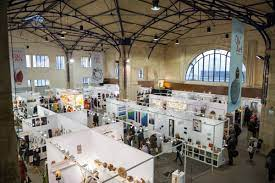
Depuis environ 2015 les amoureux des langues sont restés sur leur faim en ce qui concerne les salons. Le Musée des Langues MUNDOLINGUA organise ainsi, en même temps qu’il soufflera ses dix bougies, un salon pour fêter les richesses et la diversité des langues.
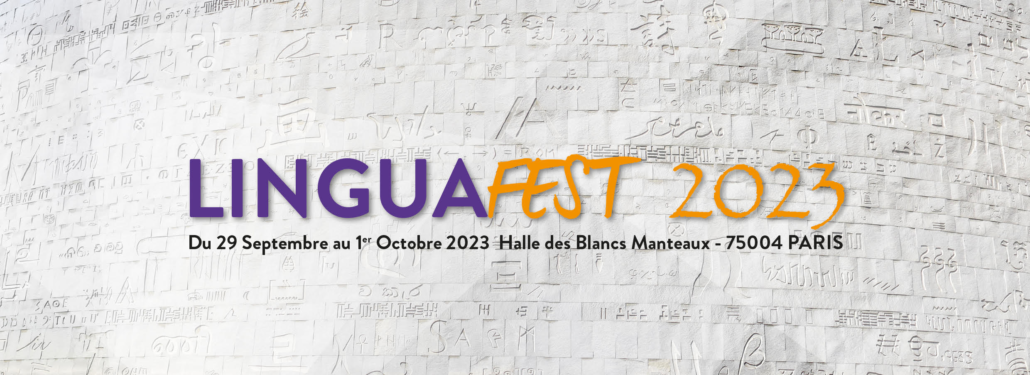
C’est avec un immense plaisir que nous vous annonçons le SALON LINGUAFEST 2023 !
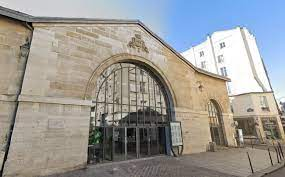
Ce salon se déroulera du 29 septembre au 1er octobre 2023, chaque jour de 10h à 19h dans la très jolie Halle des BLANCS MANTEAUX, 48 Rue Vieille-du-Temple, 75004 Paris.
UNE ORGANISATION EN SEPT UNIVERS
Le salon a été pensé en sept espaces dédiés chacun à un univers particulier, ce qui permettra au visiteur de savoir où se situer plus facilement.
1. Editeurs et libraires : un grand nombre de méthodes, ouvrages bilingues, dictionnaires, ouvrages de linguistique …
2. Séjours linguistiques : L’occasion de relancer la découverte des langues dans les pays où elles se pratiquent, découverte sérieusement impactée par la pandémie.
3. Espace Conférence et événements : Une grande collection, tirée en partie des soirées mensuelles depuis 10 ans à Mundolingua, et incluant une présentation de tous les exposants, des représentations bilingues, une lecture multilingue d’une partie du Petit Prince, une session de jeux linguistiques …
4. Écoles de langues – pour tous âges et tous publics.
5. Les grandes Institutions : sont invités l’UNESCO (qui vient de lancer la décennie des langues autochtones), l‘INALCO, le ministère de la Culture, le nouveau musée de la Langue française à Villers-Cotterêts…
6. Centres culturels – une trentaine de ceux présents sur la place de Paris sont invités à participer et présenter leurs langue et culture.
7. Diverses associations en lien avec les langues, basées en l’Ile-de-France, que ce soit pour jeunes, actifs ou retraités.
En parallèle il y aura des espaces pour la restauration et pour des ateliers/activités, comme par exemple graphologues, calligraphes, initiation à diverses langues, écoute de multiples langues, consultation de documentation, des jeux…..